ESG Program

Environment, Social, Governance
Environment
Social
Governance

OVERVIEW

  • State Service created an Environment, Social, Governance (ESG) program to leverage 40+ years of operating history and practical experience with ESG in oil and gas to assist in guiding present and future business decisions.
  • State Service did not have to “recreate the wheel” to formulate an ESG framework, but instead created a “map” linking existing procedures into an energy company ESG program that is easily defined, measured, and valued while supporting ESG in oil and gas operations.
  • This “mapping” can be modified, if needed, for audit-specific requirements while remaining aligned with regulatory expectations for ESG in oil and gas projects, including those involving offshore construction services.

OUR PROCESS

State Service maintains extensive standard operating procedures and risk identification and management tools within its Environment, Health & Safety (EHS) program and Quality Management System (QMS), all of which are documented and regularly audited. Components of both systems were “mapped” into an energy company ESG program designed to address practical ESG in oil and gas considerations across engineering, fabrication, and offshore construction services.

These standard operating procedures, EHS program, and QMS can be modified to meet client-specific requirements while maintaining consistency with ESG in oil and gas expectations and responsible execution standards.
ESG: A VALUATION FRAMEWORK

Co-authored by Cornerstone Government Affairs and ValueScope, Inc. offers, in part, the following:

Environmental, Social, Governance or “ESG” is…driving business decisions, impacting corporate structures and organizational charts and is having a profound impact on investment decisions…the global pandemic and economic crisis has accelerated the drive by companies to establish ESG programs, and report ESG metrics as they seek ways to attract investment capital and demonstrate rigorous ESG risk management in their organizations.
Before you can value something…you must define it…it must be measured in a way that is transparent, auditable, and objective…the valuation should utilize vetted, established, and customary valuation techniques and metrics that have been used for years to value businesses and assets for decades. There is no need to ‘reinvent the wheel’.
Image module

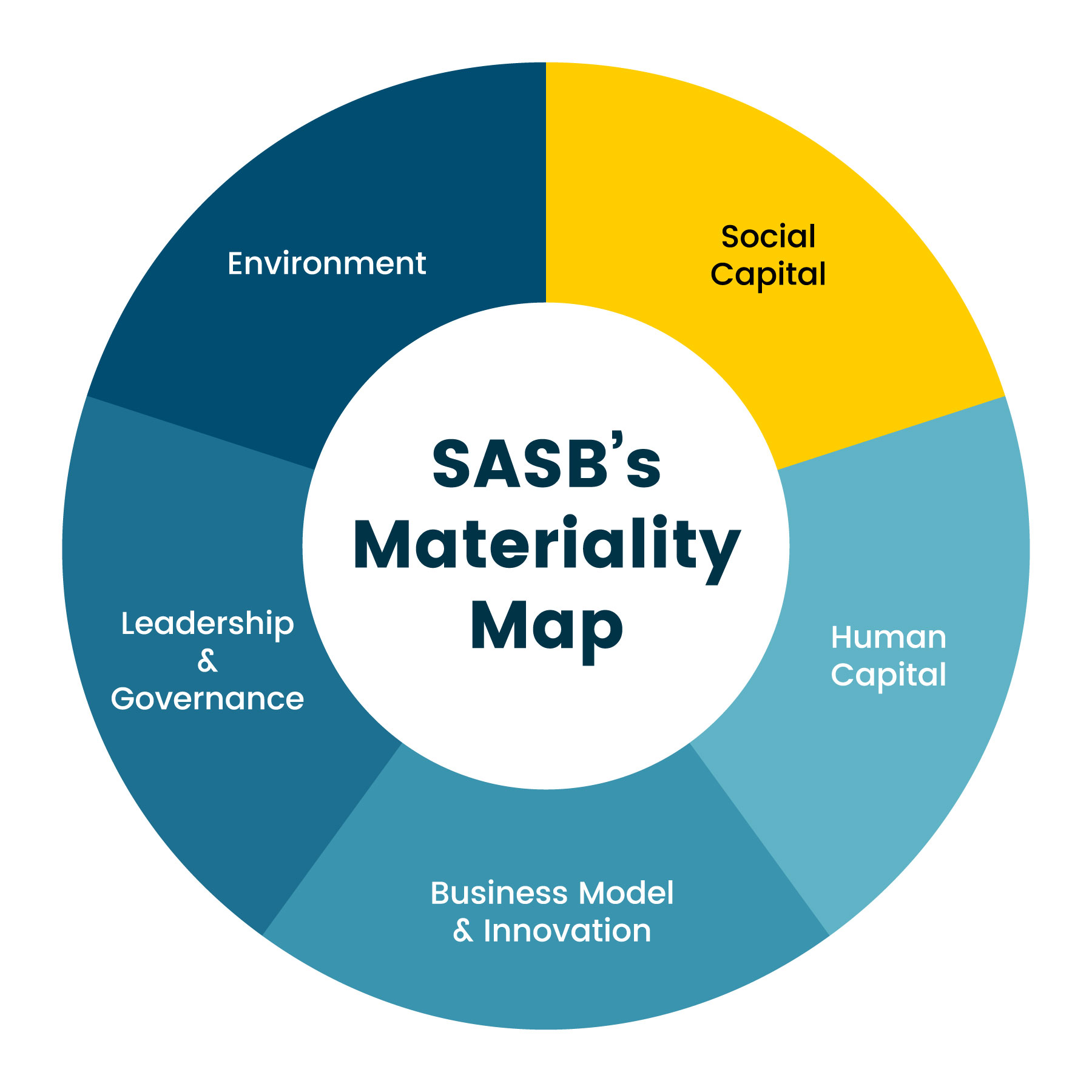
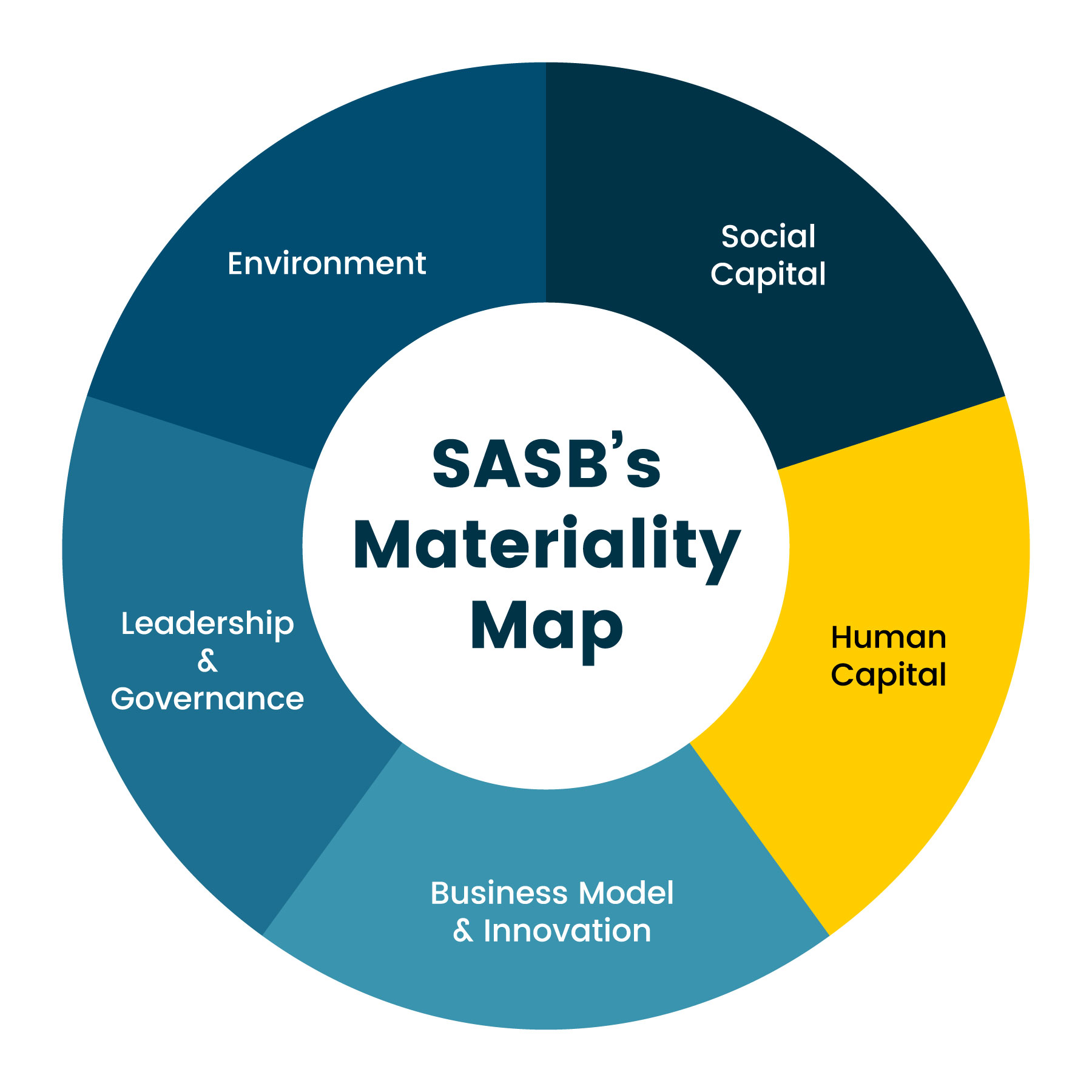
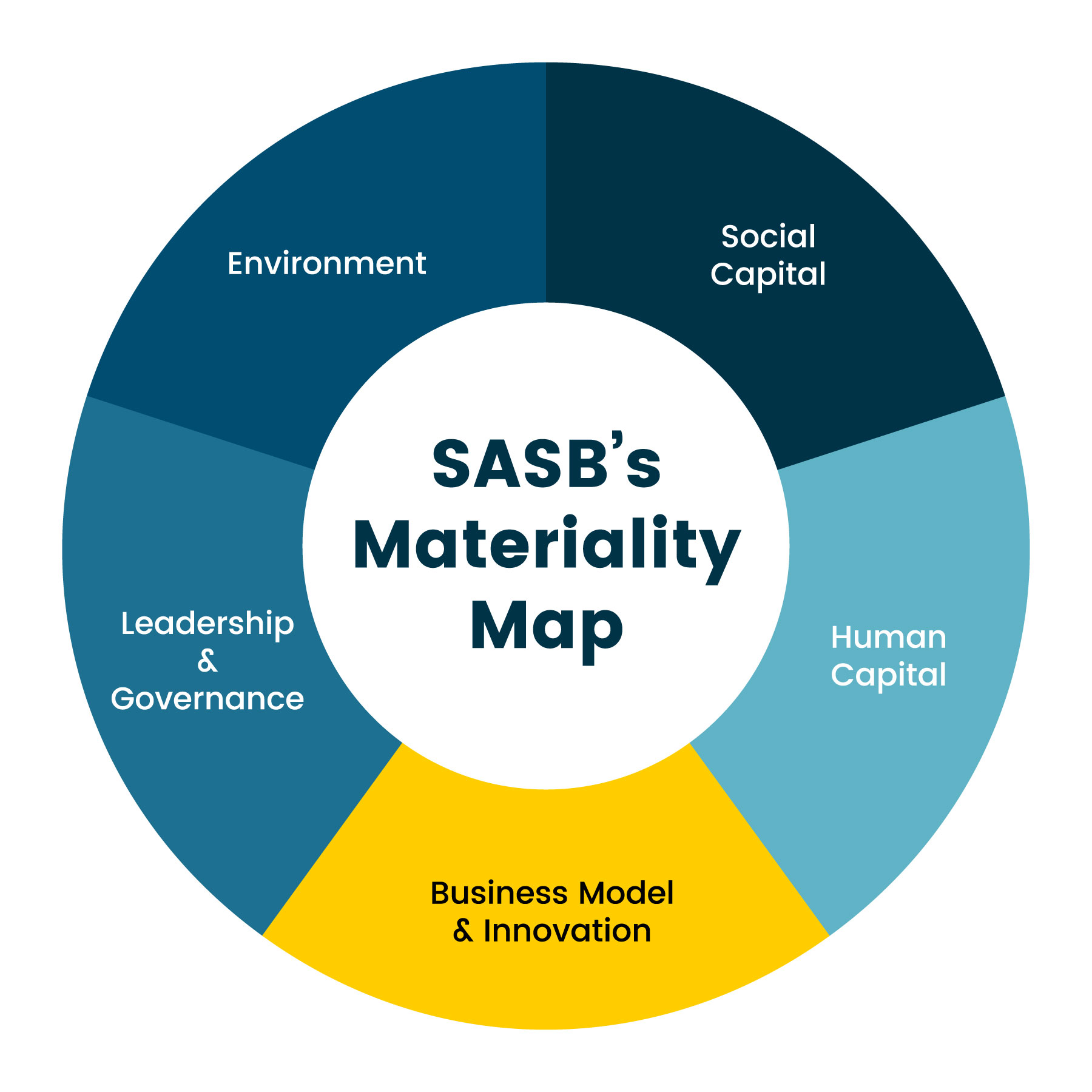
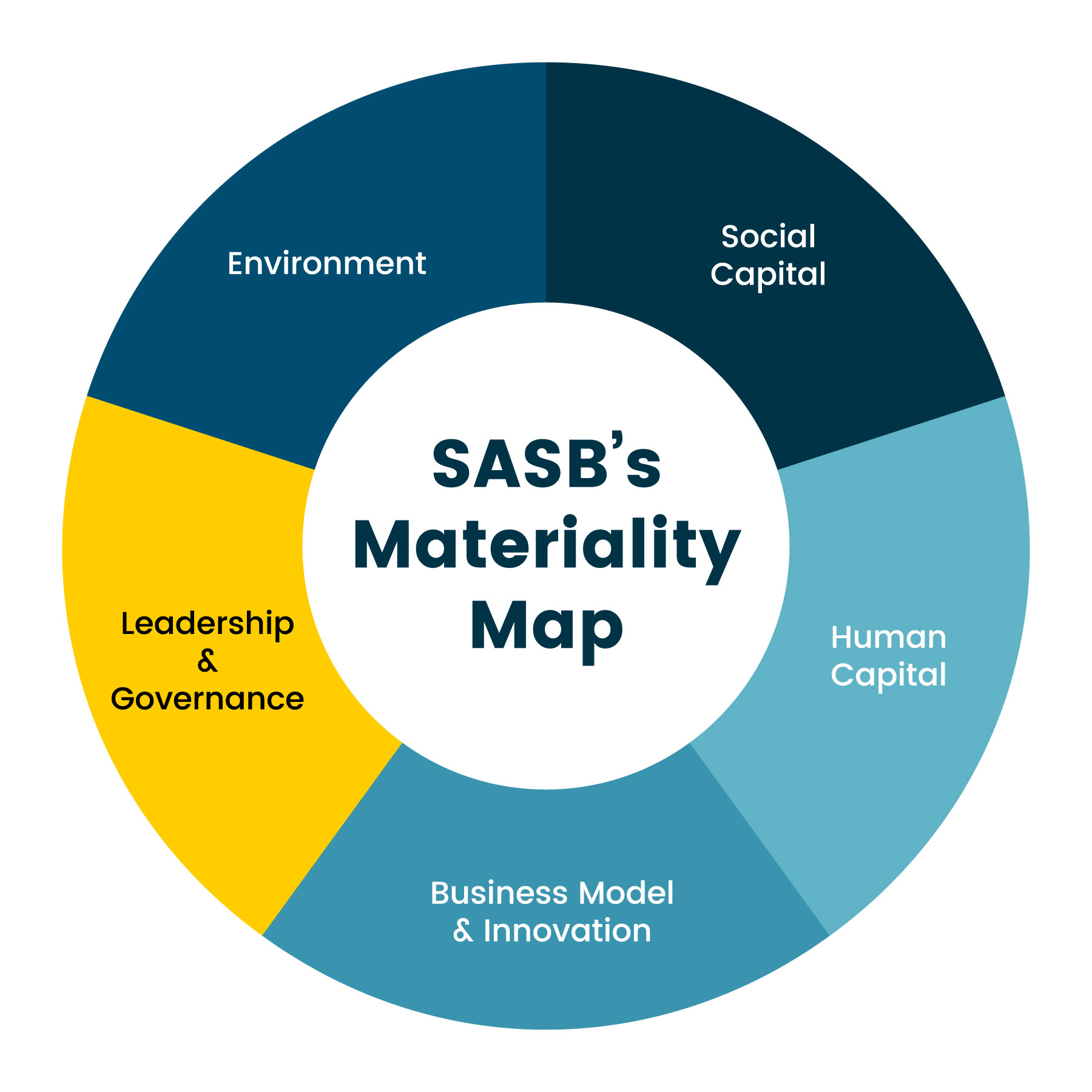
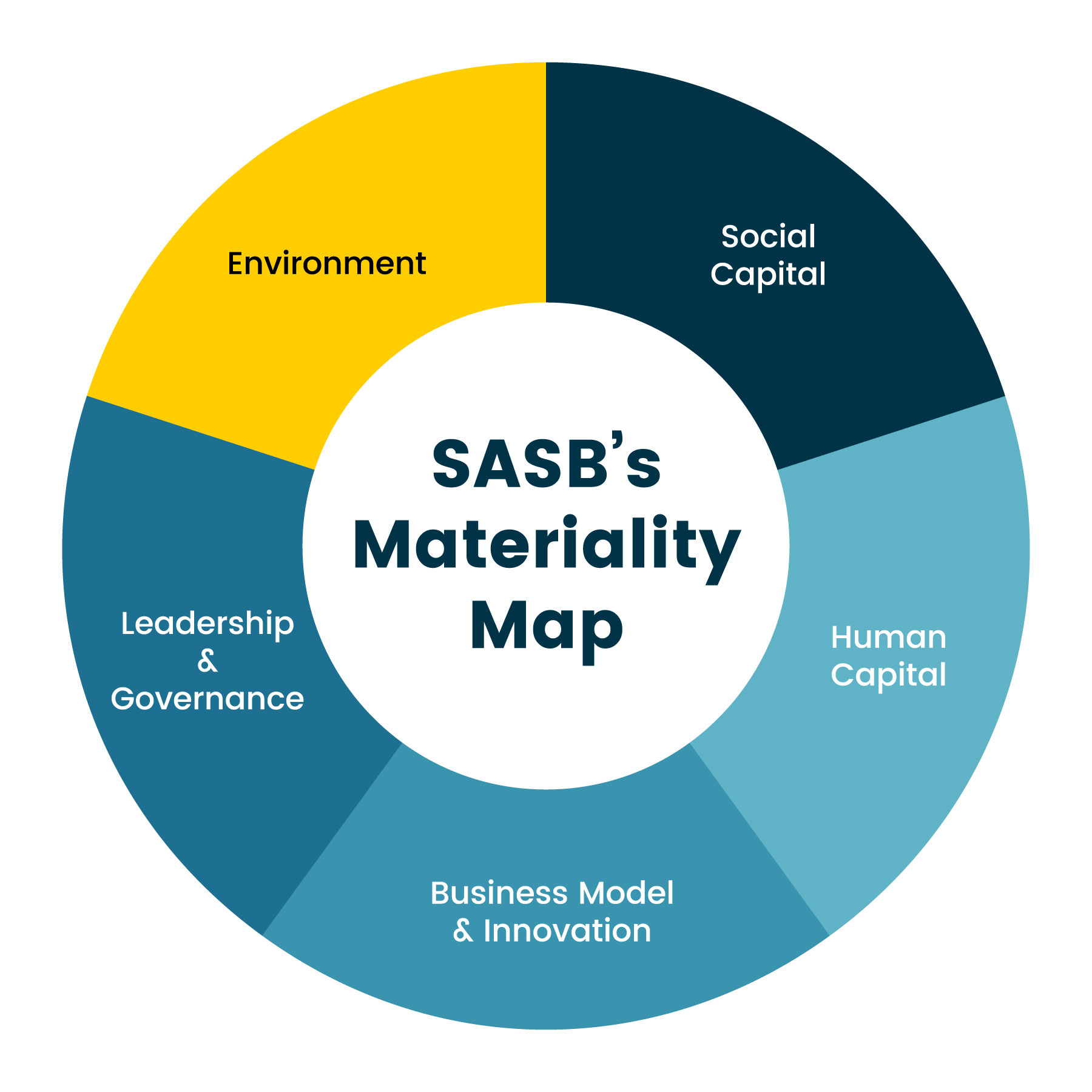
SASB MATERIALITY MAP®

State Service selected features of the SASB Materiality Map® published by the Sustainability Accounting Standards Board (SASB) as a framework to “map” components of State Service’s existing operating procedures into an ESG program.

The SASB Materiality Map® identifies sustainability issues that are likely to affect the financial condition and operating performance of companies.

Image module
  • GHG Emissions

  • Air Quality

  • Energy Management

  • Water & Wastewater Management

  • Waste & Hazardous Materials Management

  • Ecological Impacts

Image module
  • Human Rights & Community Relations

  • Customer Privacy

  • Data Security

  • Access & Affordability

  • Product Quality & Safety

  • Customer Welfare

  • Selling Practices & Product Labeling

Image module
  • Labor Practices

  • Employee Health & Safety

  • Employee Engagement, Diversity & Inclusion

Image module
  • Product Design & Lifecycle Management

  • Business Model Resilience

  • Supply Chain Management

  • Materials Sourcing & Efficiency

  • Physical Impacts of Climate Change

Image module
  • Business Ethics

  • Competitive Behavior

  • Management of the Legal & Regulatory Environment

  • Critical Incident Risk Management

  • Systemic Risk Management